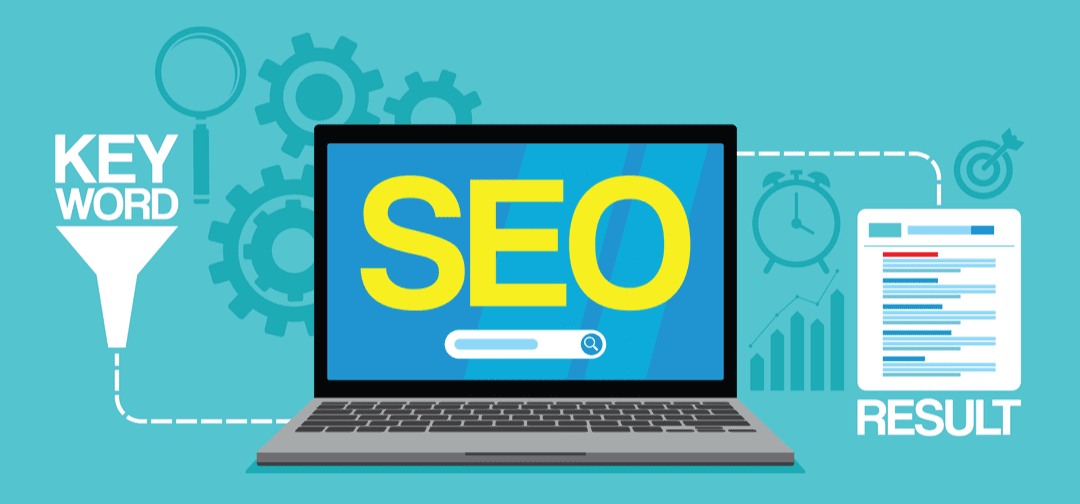
Just like On-Page SEO, Off-Page SEO, and Technical SEO, Competitor Analysis is a crucial pillar of any successful SEO strategy. It helps you understand what’s working for others in your industry and where they might be falling short. By studying your competitors’ keywords, backlinks, content strategies, and overall digital presence, you gain valuable insights that guide your own growth.
Competitor analysis not only highlights opportunities you may be missing but also exposes potential weaknesses in your competitors’ strategies. This way, you can stay one step ahead, refine your SEO campaigns, and position your brand more effectively in search results.
According to recent studies, businesses that perform competitor analysis are more likely to achieve higher search engine rankings and attract more organic traffic to their website. The study found that:
60.8% of websites that rank in the top 10 positions in search engine results pages (SERPs) perform competitor analysis regularly.
Websites that perform competitor analysis have, on average, 2.2 times more organic search traffic than those that don’t.
The top-ranking website in SERPs has, on average, 168% more referring domains than the 10th ranking website.
When performing competitor analysis, there are several factors to consider, including:
Website Domain Authority: A website’s domain authority (DA) is a score assigned by search engines that indicates the website’s credibility and relevance. A higher DA can indicate better search engine rankings.
Domain Age: The age of a website’s domain can influence its search engine rankings. Older domains are often seen as more credible by search engines.
Content Quality: The quality of a website’s content can influence its search engine rankings. High quality content is more likely to attract links and shares. Informative contents help websites to get natural backlinks with content marketing services.
Backlink Gap: Backlinks are links from other websites that point to your website. The number and quality of backlinks can influence your search engine rankings.
Loading Speed: A website’s loading speed can influence its search engine rankings. Faster-loading websites are often ranked higher.
Keyword Gap: The keywords used by your competitors can provide insights into what is working in your industry and what isn’t. Identifying gaps in your keyword strategy can help you improve your search engine rankings.
Common Keywords: Identifying the common keywords used by your competitors can help you identify areas where you can differentiate your business and stand out from the competition.
Website Technical Analysis: A website’s technical performance can influence its search engine rankings. Technical analysis can identify issues that may be affecting your search engine rankings.
Domain age refers to the length of time a website has been registered and active. Search engines often view older domains as more credible and trustworthy, as they tend to have a stronger online presence, more backlinks, and consistent authority built over time. This means that websites with older domains may enjoy a natural advantage in search engine rankings compared to newer ones. When conducting competitor analysis, it’s important to factor in domain age. If your competitors have been around longer, their rankings may partly stem from this advantage. However, newer websites can still compete effectively by focusing on strong on-page SEO, high-quality content, backlinks, and technical optimization.

Are you ready to grow your business and achieve real digital success? At WebWave, we combine innovative tools, proven strategies, and expert guidance to help you expand your online presence, engage your audience, and drive measurable growth. Together, we can turn your ideas into impactful results and take your business to new heights.

To empower everyone to create stunning websites effortlessly, turning ideas into impactful online experiences
Copyright © 2025 Webwave Business Pvt. Ltd All Right Reserved